Call Email Location
 
Instagram
logo
  • Home
  • About
  • Services
  • Laboratory
  • Pharmacy
  • Contact
  • en_USEnglish
    • arArabic

Gulf News | Inside Dubai Camel Hospital

March 3, 2023
|In Featured
|By admin

Add comment Cancel reply

  • Prev
  • Next

The Dubai Camel Hospital was created in the vision of HH Sheikh Mohammed bin Rashid Al Maktoum. His vision was to provide a world leading large animal hospital just for camels, the first of its kind.

Important Link

About Gallery
Services Contact
Facilities
Pharmacy
Laboratory

Policies

Privacy Policy

© 2023 Dubai Camel Hospital. All rights reserved. Developed by V7 Digital

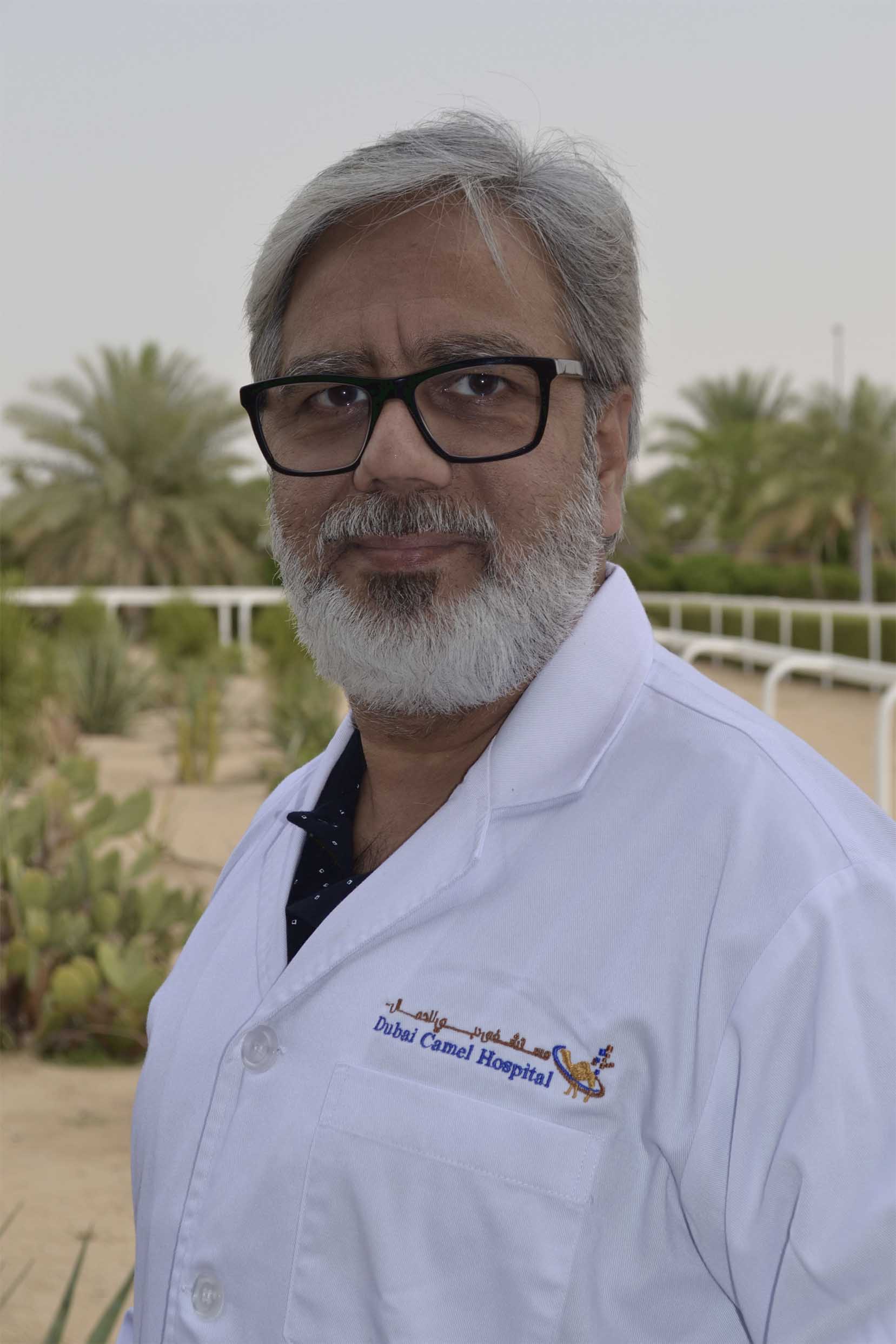
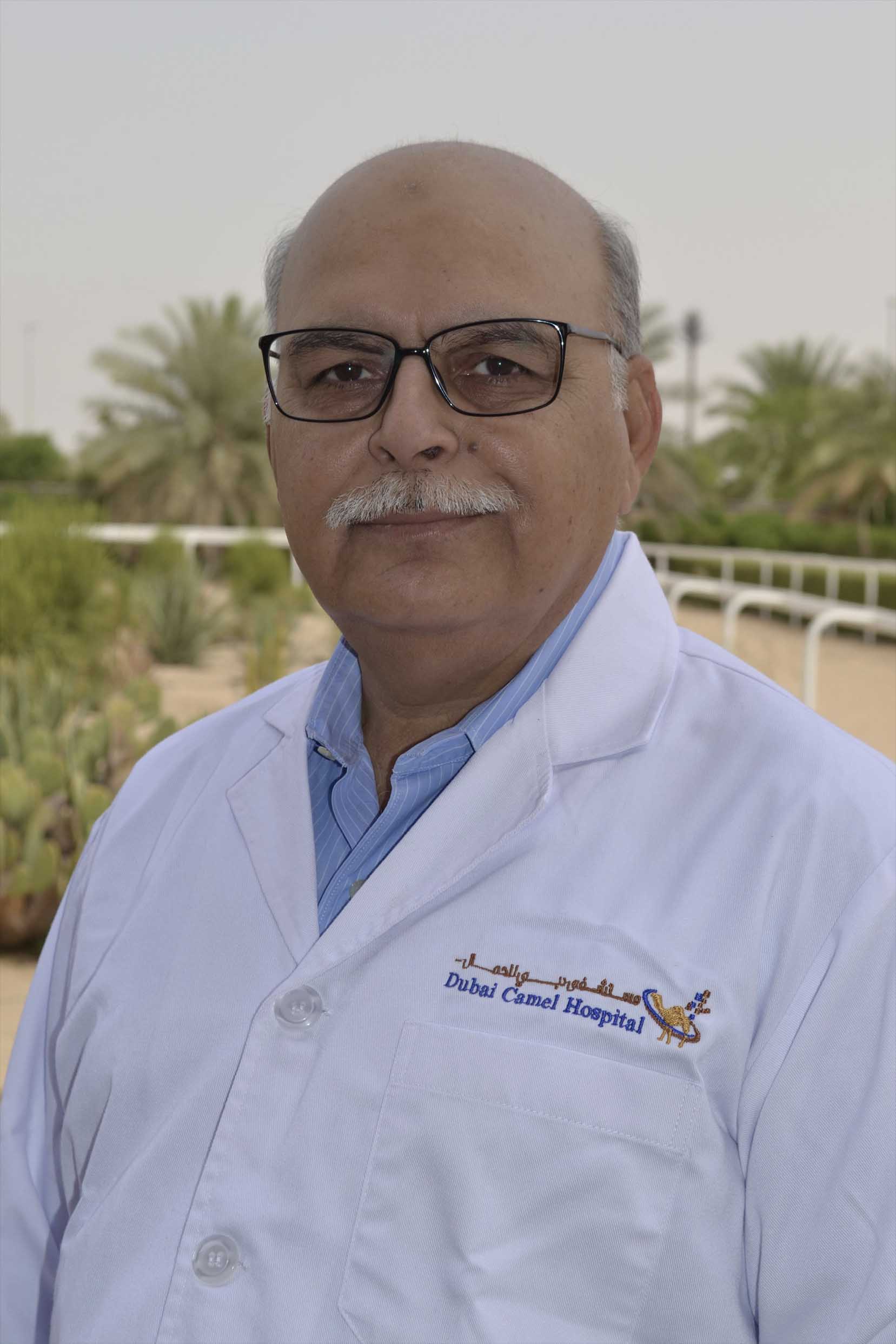
    Dr Gulrez Munawar

    best vet in zabeel veterinary hospital dubai

    Graduated in 1984 from University of Faisalabad, Pakistan

    1985-86 – Was employed by ADBP (Agricultural Development Bank Pakistan) to establish their dairy and poultry farm in Rawalpindi

    1987-2018 – Was in the service of HH Sheikh Hamdan Bin Rashid Al Maktoum as a Veterinarian taking care of his racing and breeding camels. During this time I was also partially engaged in caring of the Maktoum family’s camels.

    2018 – Till now – shifted to Dubai Camel Hospital in Al Marmoom as a Senior Veterinarian to serve the Royal family camels as well as the camels of the general trainers and owners.

    My passion has been and will always be to treat camels and work towards their holistic health and well-being. My interest specifically lies in sports medicine where I endeavor to make racing camels perform better in races, simultaneously taking care of their overall health before and after the races.

    Hobbies – Cooking, desert driving, reading and travelling and observing the amazing nature and the beautiful creations of God.
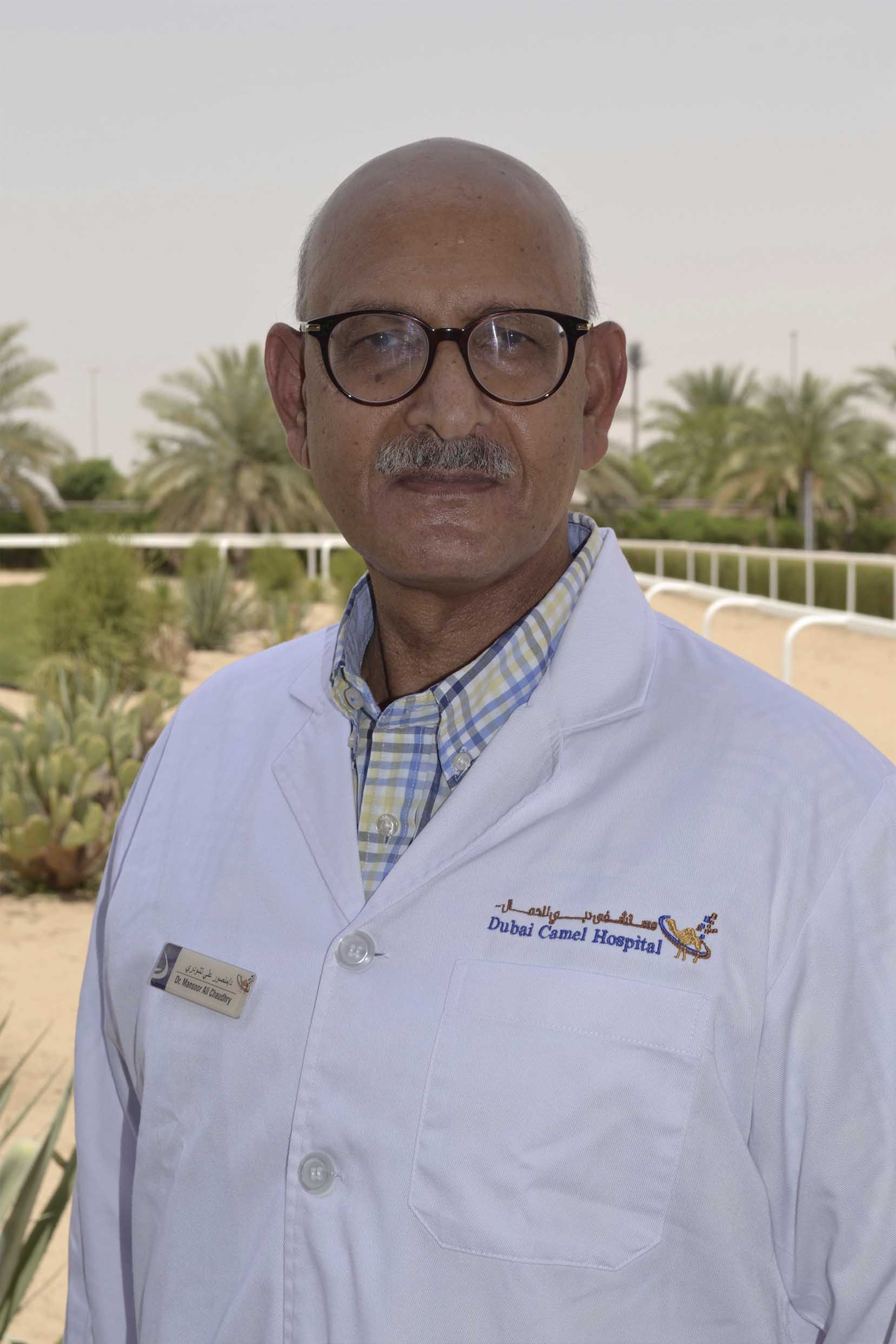
    Dr. Mansoor Ali Chaudhry

    DCH

    Dr. Mansoor Ali Chaudhry (DVM – MSc. Hons) is a senior veterinarian at the Dubai Camel Hospital. He graduated DVM in 1982 (gold medalist) from the University of Veterinary and Animal Sciences (UVAS) in Lahore, Pakistan. He served as an academician, clinician and research worker at UVAS, in the Department of Theriogenology and Reproduction (1982-1987), after which he completed his Masters in Animal Reproduction.

    Dr. Chaudhry has been practicing at the Dubai Camel Breeding and Racing Farms, under the patronage of H.H. Sheikh Mohammad bin Rashid Al Maktoum and Sheikh Hamdan bin Mohammed bin Rashid Al Maktoum, since 1987. He has extensive experience treating equine, camelids, and other species. He is the official member of the medical committee of the Dubai Camel Racing Club (DCRC).

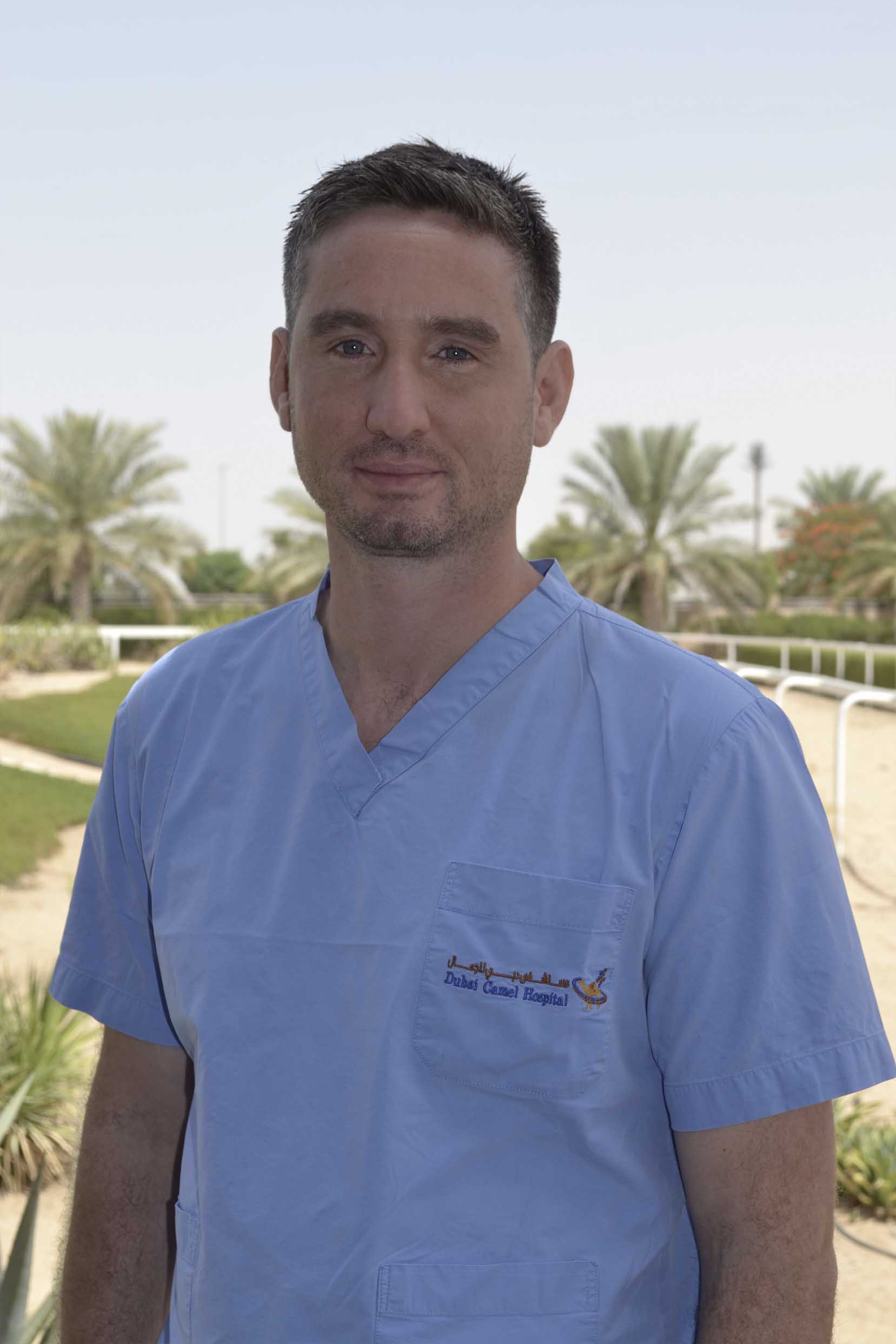
    Dr. Matthew (Thijs) de Bont

    DCH

    Dr. Matthew (Thijs) de Bont, RCVS and European Specialist in Equine Surgery, joined the DCH as Head of Surgery in August 2019. He obtained his degree in veterinary medicine from University College Dublin (Ireland) in 2006. During this time he also completed a BSc in Veterinary Pathology at the Royal Veterinary College (UK) investigating tendon injuries in Thoroughbreds. Following graduation, Dr. Thijs completed a Fellowship in Equine Medicine at the Hagyard-Davidson-McGee Equine Medical Institute in Kentucky. He then completed a rotating internship at Dierenkliniek De Bosdreef, Belgium before working for 12 months in equine practice in The Netherlands.

    Dr. Thijs started his specialist training as a resident in Equine Surgery at the Philip Leverhulme Equine Hospital, University of Liverpool in April 2010 and attained an RCVS certificate in Equine Soft Tissue Surgery in June 2012, completing his residency programme in March of 2013. He subsequently joined the hospital’s senior surgery team as Lecturer in Equine Surgery and in May 2013 gained an RCVS Certificate in Equine Orthopaedics. He became a European Specialist in Equine Surgery by attaining his ECVS Diploma in February 2014. In August 2014 he joined the Dubai Equine Hospital in the United Arab Emirates, where he worked as surgeon and orthopaedic clinician until December 2016. In January 2017 he returned to Belgium to work as surgeon and orthopaedic clinician at Dierenkliniek De Bosdreef and Dierenkliniek De Morette.

    Having gained extensive experience in all aspects of equine surgery and orthopaedics, with particular interest in the minimally invasive techniques of laparoscopy and arthroscopy, fracture repair, colic, upper airway surgery, advanced imaging techniques and management of the elite athlete, Dr.Thijs is applying and adapting this knowledge to developing innovative techniques for use in camels. He heads the hospital team in an exciting time for camel medicine, where the DCH will continue to provide and expand our state of the art services, to best serve the camels of the Emirates.

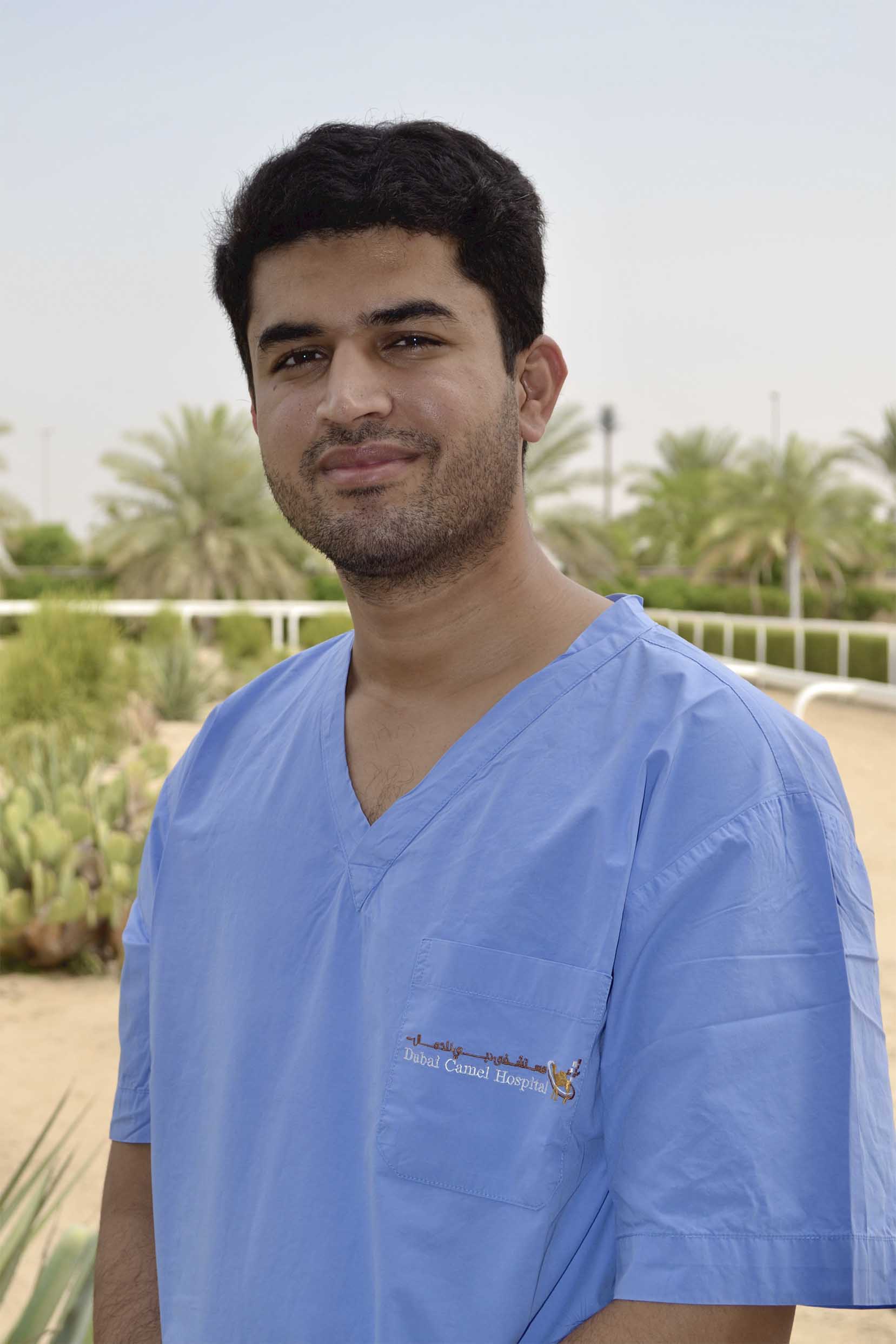
    Dr. Muhammad Amir Saeed

    DCH

    Dr. Muhammad Amir Saeed is currently working as Senior Veterinarian at Dubai Camel Hospital. He earned his DVM and Masters in Theriogenelogy from University of Veterinary and Animal Sciences, Lahore, Pakistan. He started his professional career as an Academician. He has studied extensively and brought in rich experience of more than 30 years in both, small and large animal practices. He is hardworking, ambitious, motivated, recognized for flexibility, adaptability, and for a high degree of expertise in the field. He is also multilingual, with professional speaking ability in English, Urdu, Punjabi and Arabic.

    Dr Arkim Ul Mehmood

    DCH

    Dr. Arkim graduated from PMAS AAUR, Pakistan in 2016 and after graduation he worked at Lahore Race Club for 2 years. Following this he moved to Dubai Equine Hospital where he did 3 internships over a period of 3 years and 9 months. After finishing these internships he joined Dubai Camel Hospital. His interests in camels include camel surgery, anaesthesia and sports medicine issues.

    Dr. Claire Booth

    DCH

    BVM&S Cert EP MRCVS

    RCVS Advanced Practitioner in Equine Practice

    Senior Veterinarian

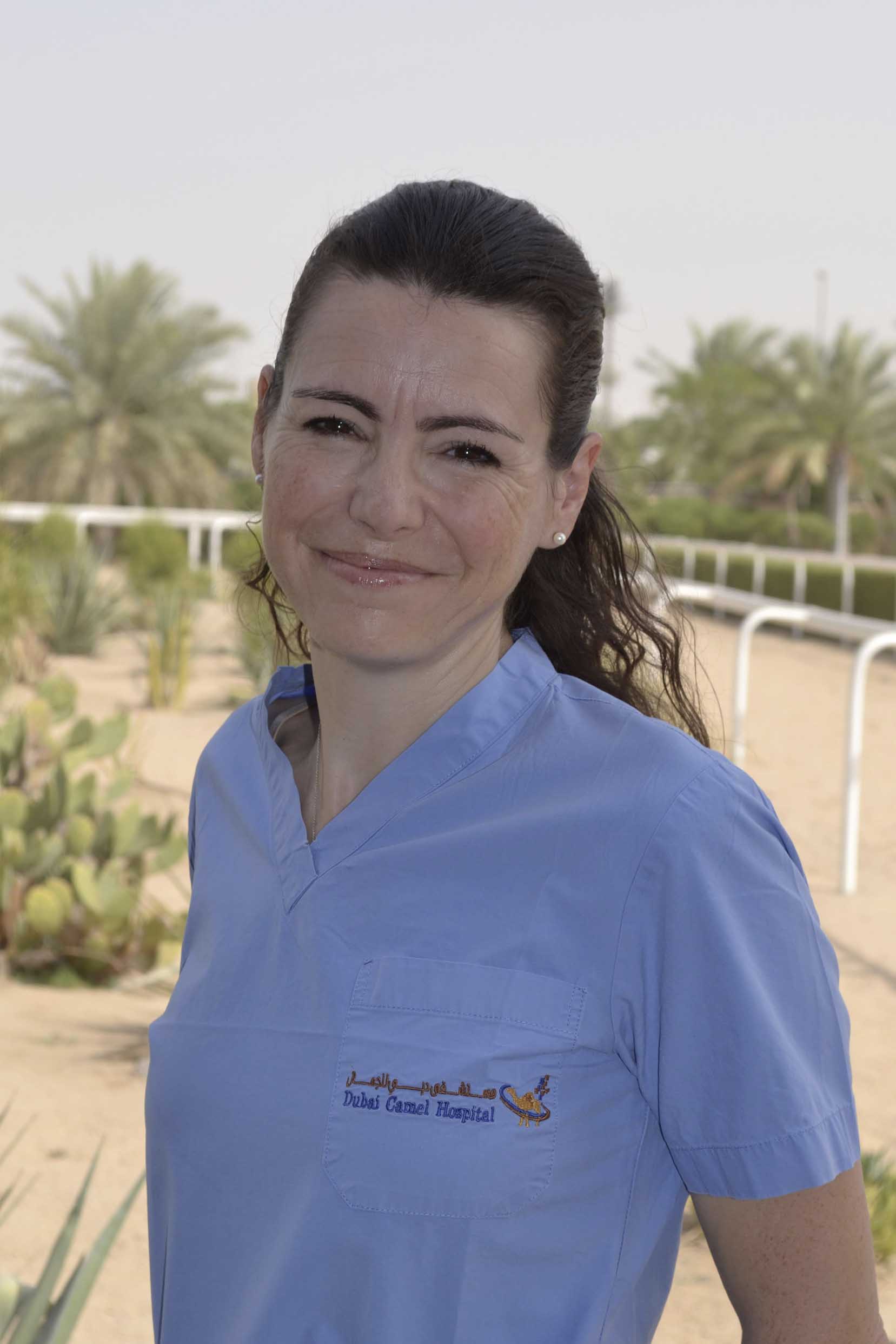
    Claire is a highly experienced veterinary surgeon with a career starting in 2002 when she graduated from The Royal (Dick) Veterinary School in Edinburgh (UK). During the following years Claire has worked in equine private practices in several continents. Throughout this time Claire has developed a wide breadth of skills and experience, working within many technical disciplines and environments in clinical and leadership roles. She has been head of department within a large equine practice, developing new facilities and services for the hospital during this time. She has also been Director of a new equine clinic in the UK, responsible for development, opening and running of the clinic. Claire has attained post graduate qualifications, Royal College of Veterinary Surgeons (RCVS) Certificate in Equine Practice and is an RCVS Advanced Equine Practitioner and is an FEI treating Vet.

    Claire joined the team at Dubai Camel Hospital in 2017 prior to the Hospital opening. She is involved in developing the hospital equipment, facilities and services. Claire has brought advanced knowledge from the European equine veterinary field to DCH, focusing on anaesthesia, medicine and diagnostic imaging. She uses this to aid development and research of many new techniques and treatments to help advance camel veterinary medicine and surgery. Claire works closely with Thijs in the running of the hospital and surgery department and diagnosis and treatment of the more complex referral cases.

    Dr Mai Rabei

    DCH

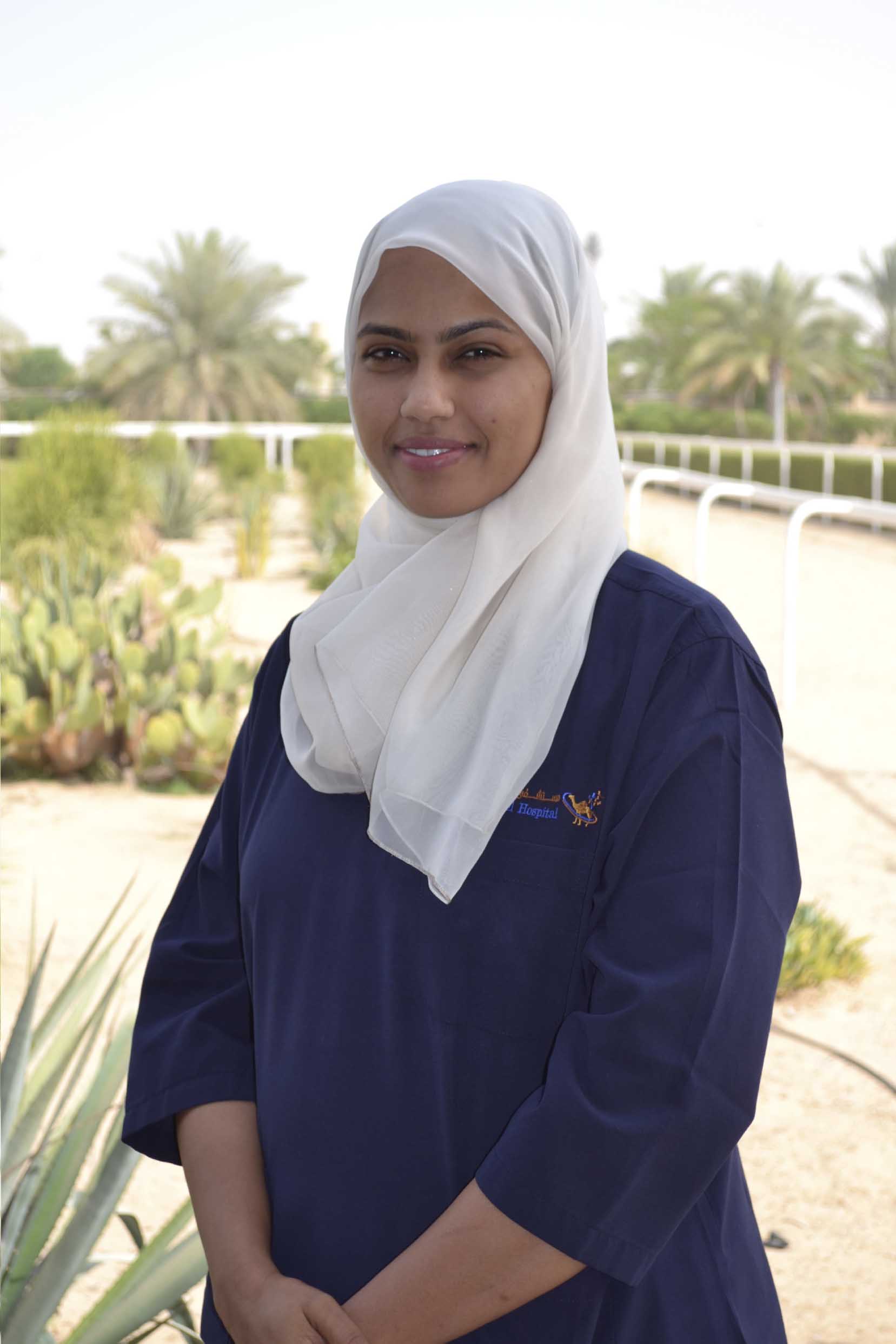
    Dr Mai Rabei is a DVM from Sudan. She graduated from the University of Science and Technology (Medicine and Surgery) in Sudan in sep 2013.

    Dr Mai worked as veterinarian at the Veterinary Teaching Hospital for 1 year. After this Dr Mai went on to work in the clinic and pharmacy at Tarfa Veterinary Service Center in Khartoum, Sudan for 2 years Dr Mai joined the Dubai Camel Hospital in 2016. Within the hospital Dr Mai supports all the departments. She is invaluable for her client liaison work and communications and most clients and camels visiting the hospital will be taken care of by Dr Mai.

    Dr Muhammad Rizwan Akbar

    DCH

    Dr Rizwan completed his Doctor of Veterinary Medicine (DVM) from The Islamia university Bahawalpur, Pakistan in 2012. He has an excellent track record of over 8 years in field of veterinary medicine and surgery. He started his veterinary professional career in Pakistan and worked there for the period of two years.

    In 2014, he has started to work as a Veterinarian in Al Rowda palace, Al Ain, UAE. He dealt with different species mainly camel and wildlife. He went to University of Pretoria, South Africa to purse a course named ‘Advanced Chemical immobilization and field practice’.

    In 2017, he has joined Dubai camel hospital to work in Clinical department and ambulatory section. His area of expertise is Clinical Medicine, Disease diagnosis, Camel Reproduction and Lameness detection. He also deals with the clinical cases reported at different Camel stables which are belongs to Royal families of Dubai. He has attended various national as well as international conferences and participated in different courses for veterinary practice.

    Dr. Rizwan has a Veterinary practice license issued from Ministry of Climate change and Environment, UAE.

    Dr. Rizwan is highly skilled and dedicated veterinarian who is very passionate about learning new techniques of Disease diagnosis, Camel Surgery and Sports Medicine.

    Dr. Rizwan is well versed in English, Urdu and conversational Arabic.

    Dr. Haris Bin Ikram

    DCH

    Dr. Haris Bin Ikram completed his bachelor’s in veterinary medicine from the most prestigious institute in Veterinary medicine in his hometown, University of Veterinary and Animal Sciences, Lahore, Pakistan in 2010.

    Prior to coming to Dubai he was involved in the management, setup and successful running of large-scale corporate dairy farms in Pakistan. He started as a veterinarian at Sharif Dairy Farms and then progressed to become the Farm Manager of a successful corporate dairy setup in Pakistan. He was actively involved in training of future vets in the farming sector as well as planning and development of modern farming techniques in Pakistan.

    In his early carrier in Pakistan he participated in the following training programmes to be an expert in his field

    4 Weeks (2012) PTC + (Netherlands) Training of trainers’ course (Large Scale Dairy Farm Managers Course) in Pakistan

    Since coming to Dubai in 2014 along with dealing with clinical cases at the Dubai Camel Hospital he is also giving his services in the treatment and consultaion of various camel farms as part of Dubai Camel Hospitals outdoor services.

    In addition, he also performs duties in Camel racing as veterinary officer in the forensic department under the supervision of Dr. Ahsan Ul Haq.

    He also had the privilege of representing the Dubai Camel Hospital at the 26th European Veterinary Dental Forum in Malaga, Spain.

    Dr. Mosadag Elnazeir Elsiddeg Eltayeb

    DCH

    Dr. Mosadag Elnazeir Elsiddeg Eltayeb studied Bachelor of Science in veterinary medicine and surgery, from Sudan University of science and Technology, SUDAN. After his graduation in 2010 he gained experience in his field working as an internee at Rufaa veterinary Hospital and Tambool Abattoir in 2011.

    In his early career he performed his duties as a veterinarian at the Alamel pharmacy for veterinary and agriculture service, El Gadarif Raihana Services for veterinary and agriculture service, horse equipment & veterinary medicine trading & Al dar Al orobi Al hadeeth veterinary lab dealing with field cases, performing laboratory analysis and pharmaceutical prescriptions.

    He joined the Dubai Camel Hospital in 2017 and is performing his duties diligently within the Hospital as a veterinarian. His duties include dealing with inhouse and outhouse cases under the supervision of Dr. Ahsan Ul Haq.

    Inpatient Pens

    We have 31 spacious, covered, comfortable sand pens with automatic drinkers. We have a large team of dedicated handlers, making sure that all patients receive individual care and attention during their stay.

    Surgical Theatres

    The hospital has two state of the art operating theatres, custom fit with all the latest surgical and anaesthetic equipment, specially adapted for use in camels. This allows us to perform highly complex surgeries while minimising the risk of anaesthesia, in the skilled hands of our highly trained surgeons and anaesthetists.

    Diagnostic Imaging Suite

    The latest high specification veterinary machines are used to achieve diagnosis with radiography, ultrasound and endoscopy. The dedicated imaging area is designed to minimise risk to both camel and personnel.

    Standing Stocks

    The hospital has 2 sets of standing stocks allowing examinations of standing animals, while reducing risk of injury to both people and patients.

    Small Track

    The hospital has its own sand track for use during lameness and respiratory examinations, as well as for camels in rehabilitation and physiotherapy programs.

    Examination Rooms

    The hospital is equipped with four spacious examinations rooms with padded flooring, where we perform investigations and minor procedures not requiring general anaesthesia.

    Rehabilitation Hoists

    Many pens are equipped with hoists to allow us to rehabilitate recumbent camels or those requiring assistance and gradual limb loading following major orthopaedic surgery. This period of intense rehabilitation and physiotherapy is the key to long-term success following many of our surgeries.

    Scintigraphy Suite

    Dubai Camel Hospital is at the forefront of veterinary innovation with exciting developments in advanced imaging techniques! We are actively working on establishing gamma scintigraphy (bone scan) capabilities specifically for camels. This cutting-edge technology will be a first in the world for camel care, and while currently not available for client use, pre-clinical testing is well underway.

    Gamma scintigraphy offers a revolutionary way to diagnose bone disorders in camels. By injecting a radiotracer that accumulates in areas of active bone formation, this scan allows veterinarians to visualize skeletal issues that might remain hidden through conventional X-rays. This can be incredibly valuable for diagnosing conditions like fractures, infections, tumors, and metabolic bone diseases.

    By pioneering this novel approach, Dubai Camel Hospital will not only enhance its own diagnostic capabilities but also contribute significantly to the advancement of camel healthcare worldwide.

    Digital Radiography

    The hospital is equipped with multiple fully wireless digital radiography (DR) machines, allowing for highest quality image acquisition. Our highly skilled staff acquire and interpret the images in facilities that minimise risk to the camel, greatly enhancing our ability to diagnose your camel’s problem.

    Ultrasound

    We have both portable and hospital based, state of the art, veterinary ultrasound machines, allowing us obtain images of almost the entire camel. Used by vets with extensive experience in ultrasonographic imaging, we can identify even subtle soft tissue and bone pathology, as well as giving us a window to the chest and abdomen.

    Dynamic Endoscopy

    The hospital has the first dynamic endoscope developed for camels in the world. This allows us to visualise the upper airway during exercise, allowing for functional evaluation and diagnosis of performance limiting pathology. We are currently developing the technique and will soon be providing a full clinical service for our clients.

    Equinosis Lameness Locator

    This is an objective technique using data from gyroscopes to assist in the diagnosis of subtle lameness and gait abnormalities. Again this is a world premier for use in camels. The equipment is worn by the camel during exercise and the data gathered enables us to objectively quantify any lameness present. This is also helpful for monitoring response to treatment and return to training following injury or surgery.

    Gamma Scintigraphy

    Dubai Camel Hospital has developed and installed the first purpose built gamma scintigraphy (bone scan) unit designed specifically for camels. Further research and development is required before we are able to offer a full clinical service, but the scanner will allow us to screen racing camels for subtle causes of lameness and to identify pre-existing bone pathology including fissure fractures, thus preventing catastrophic injury and revolutionising our approach to designing rehabilitation programmes following injury diagnosis.

    Scintigraphy involves injecting a radioactive isotope into the blood stream. In simple terms, the isotope binds to areas of injury and inflammation within the body and these focal regions can be identified by the gamma camera. This will assist us greatly in better understanding the spectrum of pre-clinical and clinical injury in racing camels and to assess the camel’s adaptive response to exercise.

    Fluoroscopy

    This is a specialist technique that allows for real time radiographic visualisation of bone, assisting greatly during surgery in allowing for accurate implant placement during fracture repair.

    Thermal Imaging

    The hospital can perform thermal imaging if requested, but there are often more accurate diagnostic techniques available to our veterinarians.

    Fracture Repair

    At the hospital we are lucky to have a surgical team very experienced in fracture repair. We regularly repair long bone fractures, including the humerus. This is not commonly performed in any other large animal species across the world due to limitations in the strength of the implants needed to carry the weight of such heavy animals. Camels are well suited to fracture repair in most cases, due to their willingness to accept gradual loading post operatively.

    Unfortunately some catastrophic fractures cannot be repaired. We offer amputations in these cases, which allows the camels to resume a normal life on 3 limbs, with rapid recovery time and minimal discomfort. We are working on developing prosthetics for these patients longer term.

    Arthroscopy

    The hospital offers arthroscopic surgery (key hole surgery of the joints), with state of the art equipment available. This minimally invasive technique allows for thorough joint exploration, fragment removal, cartilage evaluation, lavage of synovial sepsis (infection) and debridement of intra-articular ligament injuries. The small incisions and relatively short convalescence time following surgery make this technique highly suited to our racing population in particular.

    Abdominal Surgery

    Like horses, camels can develop many gastrointestinal disorders which require surgery in order for the camel to survive. We have developed a number of techniques for abdominal exploration performed under both sedation and general anaesthesia, allowing us to remove blockages, un-twist intestinal strangulations and remove portions of non-viable gut, with excellent survival rates.

    Laparoscopy

    Laparoscopy is key hole surgery of the abdomen. This can be used as a diagnostic tool and for treatment of many conditions within the abdomen. It is a challenging technique in camels due to the contour of their abdomen, but can be performed when clinically indicated, allowing us to access the abdomen through stab incisions, with minimal recovery time post-operatively.

    Reconstructive Surgery

    We can repair most traumatic wounds, using techniques to optimise healing, resulting in first intention healing and the best possible functional and cosmetic result. However not all wounds are amenable to full surgical closure, especially heavily contaminated, chronic wounds or those with extensive skin loss. These camels are managed with an array of wound healing techniques.

    Reproductive Tract Surgery

    We perform various surgeries for both male and female reproductive tract and fertility problems.

    Correctional/Performance Surgery

    We perform several surgical techniques aimed at correcting performance limiting problems in racing camels e.g. conchectomies performed for nasal cavity obstruction and correction of fifth pad deviation.

    Laser Surgery

    We perform surgeries using a diode laser both for skin problems and under endoscopic guidance within the body.

    Rehabilitation and Physiotherapy

    Physiotherapy and rehabilitation is performed on orthopaedic surgery cases and treatment of non-surgical orthopaedic problems.

    This is performed daily by the team within the hospital. We use hoist systems within the pens to assist this work, allowing for controlled standing and gradual weight bearing. Our in house sand track is then used for the more advanced phases once the camels are able to stand and walk unaided.

    Further treatment options utilised include mesotherapy, therapeutic laser, pulse wave magnetic therapy and ArcEquine microcurrent therapy.

    Lameness Investigations and Treatments

    Dubai Camel Hospital is at the forefront of racing camel lameness investigation and treatment. We can investigate lameness problems using a multi-modal approach, utilising many different techniques and diagnostic tools including static and dynamic physical examination, radiography, ultrasonography, lameness locator (Equinosis) and in select cases thermography. In addition we can isolate the source of the lameness, by using local anaesthetic to desensitise joints or specific regions of the limb.

    We have a wide range of treatment modalities once the cause of lameness has been diagnosed including regenerative medicine, synthetic and biological intra-articular medications, systemic medications, mesotherapy, arthroscopy and other surgical interventions.

    We are constantly developing and researching this area, as there are many unanswered questions associated with camel lameness.

    Dubai Camel Hospital is currently developing the use of gamma scintigraphy (bone scan) in the camel. This technique will significantly assist our lameness diagnosis once the technique has been fully adapted to the camel.

    Poor Performance Investigations and Treatments

    Your camel can be assessed by our vets for performance limiting problems. These can include orthopaedic, cardiovascular and or respiratory issues. Aside from our usual tools we can use things like our lameness locator (Equinosis) to diagnose and quantify subtle lameness and we are developing the use of overground endoscopy (endoscopic camera placed in the airway) to assess the airway function during exercise.

    Regenerative Medicine

    Dubai Camel Hospital produces high quality platelet rich plasma (PRP) onsite for the treatment of various orthopaedic problems. We also have access to stem cell treatment and other regenerative medicine treatments and techniques to use as appropriate.

    Preventative Medicine

    Our team can help you keep your camels in top condition by providing vaccination protocols, ectoparasite control, nutritional advice and routine blood screening with interpretation of results. By preventing problems, we can improve herd health and maximise performance, physical condition, milk production and fertility.

    Initial Assessment and Treatment of All Conditions

    All problems can be assessed at your stables, with a variety of diagnostics and many treatments can also be performed. More complex cases may need to be referred to the hospital to make use of the services and facilities which are not available at the stable.

    Surgical Procedures

    Minor surgeries such as minor wound repair, castrations and soft palate surgery can be performed at your stables. For major surgeries performed under general anaesthesia, camels require hospital admission.

    Obstetrical Emergencies

    Our vastly experienced team are on hand to deal with any obstetrical emergencies you may have. Difficult calvings, fetotomies and prolapses can all be managed at your stables. Caesareans are performed at the hospital.

    Wound Management

    The team are very experienced and well equipped to manage all types of wounds in order to maximise the speed and quality of healing. This can be either be performed in the hospital or at your stables.

    Liver Disease

    Investigation of liver disease and its subsequent treatment is performed at the hospital. This is usually based on analysis of blood work, ultrasonography and histopathology of liver biopsies.

    Urinary and Kidney Disease

    Many camels have problems affecting the urinary tract. The team are very experienced in short and long term management of these conditions and are able to provide initial treatment and then advice on long term management of the more chronic or recurrent cases.

    Skin Conditions

    Skin conditions can be investigated and treated by the team. We will always advise on whether the condition is infectious, to allow you to treat and control the condition in the rest of your herd.

    Eye Conditions

    Many eye problems are presented for investigation and treatment at the hospital. We have many ways to investigate and treat eye conditions. The outcome of our treatment in general is significantly affected by how long the condition has been present. Bringing your camel to the as soon as you notice a problem, will hugely increase the chances of successful treatment.

    Calf Medicine

    Some sick calves can be managed at your stables. However, when intensive care is necessary, they must be hospitalised to maximise the chances of a successful outcome Unless the calf is weaned, the mother will need to accompany the calf and stay with us during this time.

    Nutritional Advice

    Our team can help to guide you to maximise gut health and nutrition or to treat specific dietary problems. This will help to maximise performance, physical condition, fertility and milk production.

    Neurological Problems

    We are able to investigate and treat many neurological conditions in the camel. Not all can be treated, but we will advise you on prognosis if treatment is not an option.

    Respiratory and Heart Conditions

    Respiratory and cardiovascular disease in the camel is not as common as in other species but we can provide investigation and treatment whatever the problem may be.

    Weight loss Investigations

    Many camels experience weight loss issues. Identifying the underlying reason is imperative to finding a solution. We offer a step by step evaluation, in order to identify and treat the root cause.

    Gastrointestinal Conditions

    Gastrointestinal problems such as colic, diarrhoea, intestinal obstruction, ulceration and acidosis are commonly encountered in our patients. Some cases require surgery but many can be managed with medical treatment alone.

    Dentistry

    We offer a full range of diagnostic and treatment solutions for dental problems. Dental disease often involves the roots of the teeth, which may present as a swelling on the face or jaw. These cases require radiographic imaging as well as a full oral evaluation. A range of treatment options including dental extractions can be performed as required.

    Endoscopy

    We have numerous very high quality endoscopes (flexible camera which can pass into the body). These have been adapted to the camel.

    1 metre narrow diameter endoscope for visualisation of the nasal cavity and upper airway, as well as the female reproductive tract.

    2.5 metre endoscope for visualisation of the lower airway and oesophagus.

    5 metre endoscope for visualisation of the stomach (rumen). This is one of only three 5 metre endoscopes in the world.

    Gastroscopy

    We use a 5 metre endoscope to visualise the stomach (rumen). This is one of only three 5 metre endoscopes in the world.

    Dr. Ahsan

    DCH

    Dr. Ahsan is a name that holds a well-established reputation with over 30 years of experience in the field of Veterinary Sciences across the GCC in the Middle East. He is devoted to excellence in teaching, learning, research, and to developing the field of camel racing and breeding.

    H.H. Sheikh Mohammad Bin Rashid Al Maktoum introduced forensic testing to the field, the biggest challenge that followed was the collection of urine samples especially from the female camels, after a race. Dr. Ahsan bridged this gap by developing a kit that successfully eased forensic sample collection in camels. Dr. Ahsan continued to contribute and grow the field and was rewarded the title of Coordinator and Member of the medical committee of DCRC in 2010.

    Dr. Ahsan is also a co-author of eight research articles regarding camel diseases such as rabies, anthrax, tuberculosis, hemorrhagic disease, and the withdrawal period of certain drugs in camels.

    To add to his achievements, Dr. Ahsan introduced the electronic chipping of camels for correct identification which leads to the development of a smart system of camel racing in the UAE and will be of great help in future for the collection and tabulation of data for different camel projects, a practice soon followed by other camel associations across the GCC.

    He Received appreciation certificates from the office of H. H. Shaikh Hamdan Bin Rashid Al- Maktoum and Dubai Health Authority in recognition of his long and successful associations. He continues to serve the camel Industry currently as Head of Pharmacy, Lab, and Marketing in Dubai Camel Hospital.

    Privacy Preference Center

    Privacy Preferences